The landscape of modern manufacturing and logistics is undergoing a profound transformation, driven by the need for greater precision and 24/7 operational capability. As global supply chains face increasing pressure to deliver goods faster and more efficiently, traditional manual methods are being replaced by sophisticated technological solutions. This shift is not merely about replacing human labor, but about augmenting the workflow to eliminate bottlenecks and reduce the margin of error that naturally occurs in high-pressure environments.
In this evolving industrial era, businesses are looking beyond standard conveyor belts and fixed machinery. They are seeking flexible systems that can adapt to changing floor layouts and varying production demands. This demand for flexibility has paved the way for the widespread adoption of mobile robotics, which offer a scalable solution for facilities of all sizes. By integrating smart technology into the physical movement of goods, companies are finding new ways to remain competitive in a crowded international market.
The rise of intelligent transportation in the warehouse
Automation has moved from being a luxury for large corporations to a necessity for any business involved in intensive logistics. One of the most significant developments in this area is the implementation of an automatic guided vehicle within the storage and assembly lines. These units travel along predefined paths, using sensors and software to navigate safely around obstacles and employees. Their ability to work without breaks ensures a constant flow of materials, which is crucial for maintaining lean manufacturing principles.
The intelligence behind these systems allows for seamless integration with existing Warehouse Management Systems (WMS). This connectivity means that tasks can be assigned in real-time based on current priority levels, ensuring that the right materials arrive at the right station exactly when they are needed. Because these robots are designed to interact safely with their environment, they significantly lower the risk of workplace accidents, creating a safer atmosphere for the human workforce involved in complex oversight tasks.
Optimizing heavy load handling with specialized machinery
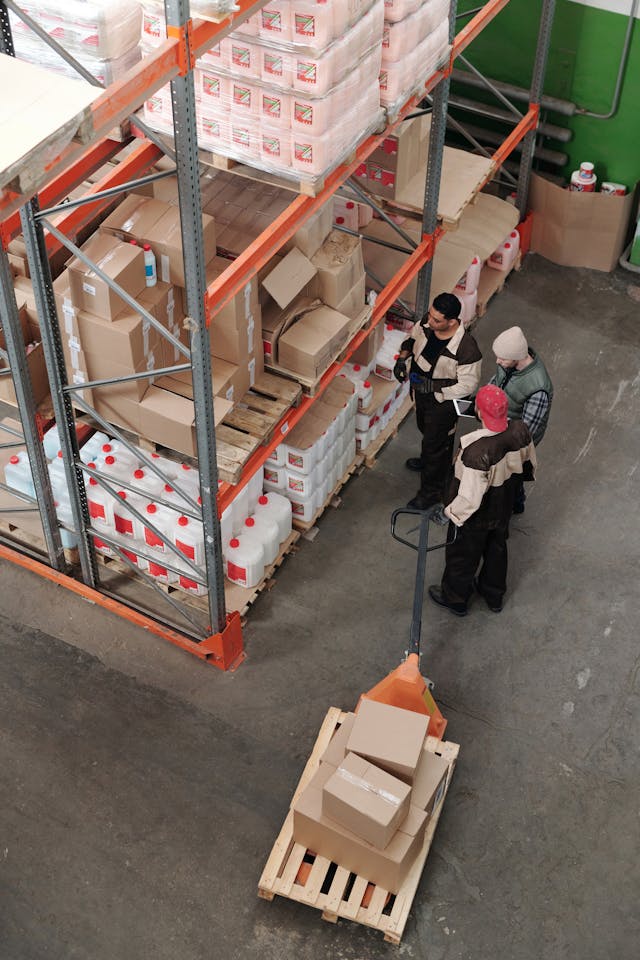
When it comes to moving heavy goods, such as large pallets or bulky raw materials, specialized equipment is required to ensure stability and efficiency. Traditional forklifts, while versatile, require skilled operators and are often the cause of logistical delays during peak hours. To address this, many facilities are turning to the AGV pallet mover, which is specifically designed to transport standard palletized loads autonomously. This technology allows for the consistent movement of heavy goods across large distances without human intervention.
These specialized pallet movers are equipped with advanced lifting mechanisms and precision controls to ensure that loads are picked up and deposited with millimeter accuracy. By automating the most repetitive and physically demanding tasks, such as transporting finished goods from the production line to the shipping bay, companies can reallocate their human staff to more value-added roles. This strategic shift not only improves productivity but also enhances the overall ergonomic conditions within the facility.
Future proofing operations through scalable technology
Investing in mobile automation is a step toward future-proofing a business against labor shortages and fluctuating market demands. As technology continues to advance, the sensors and mapping capabilities of these machines become even more refined, allowing for even more complex maneuvers in tight spaces. This evolution ensures that the investment made today will continue to pay dividends as the facility grows or the product line changes.
The modular nature of modern automated systems means that a company can start with a single unit and expand their fleet as their needs grow. This lowers the barrier to entry for smaller manufacturers who wish to modernize their operations without a massive upfront capital expenditure. By choosing reliable and communicative systems, businesses ensure that their internal logistics remain a strength rather than a weakness, allowing them to focus on innovation and customer satisfaction in their respective industries.